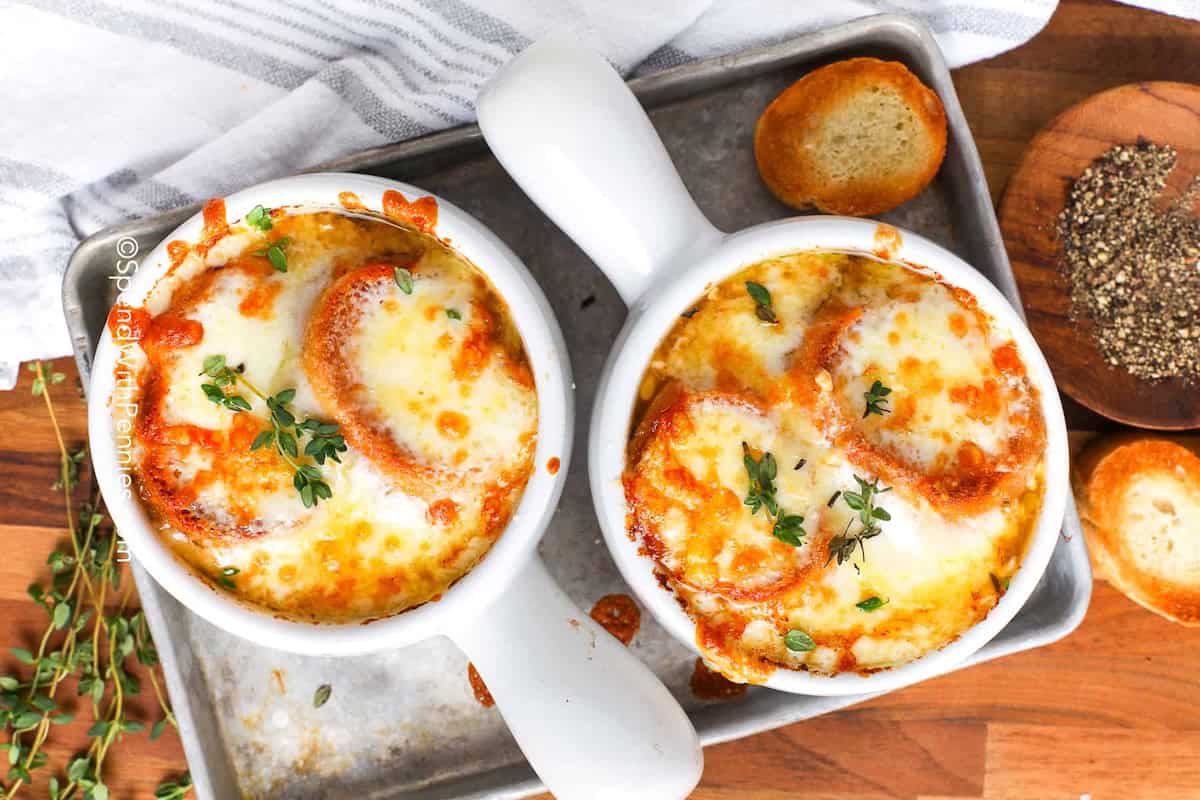
There's something uniquely comforting about a bowl of classic French Onion Soup. It conjures images of cozy bistros, chilly evenings, and a rich, savory aroma that promises pure indulgence. But what if we told you that achieving that exact bistro-quality experience is not only possible but surprisingly straightforward right in your own kitchen? Our journey to crafting the perfect homemade french onion soup is less about complex techniques and more about patience, quality ingredients, and a few simple, well-executed steps. Prepare to transform humble onions, a robust broth, and crusty bread into a luxurious, soul-warming masterpiece that will rival any restaurant's offering.
The beauty of homemade french onion soup lies in its deceptively simple ingredient list, which, when treated with care, creates a symphony of deep, layered flavors. It’s a dish that appeals to everyone, from the most discerning foodies to the pickiest eaters, thanks to the magic that happens when sharp onions melt into a sweet, tender embrace, paired with a rich, umami-packed broth and a crowning glory of bubbly, cheesy garlic toast. While this recipe isn't a quick fix, the time invested is truly the secret ingredient, yielding a reward that is absolutely worth every moment.
The Heart of the Matter: Mastering Caramelized Onions
The foundation of any exceptional french onion soup is, without a doubt, perfectly caramelized onions. This isn't just a cooking step; it's an art form that transforms the humble allium into a sweet, deeply flavorful component that underpins the entire dish. As the saying goes, "time is the secret ingredient," and nowhere is this more true than when caramelizing onions. While some might jokingly refer to it as "babysitting" the onions, this hands-on attention is crucial.
To achieve that sought-after golden-brown hue and melt-in-your-mouth tenderness, you need to dedicate at least 45 minutes on the stovetop, stirring periodically to prevent burning and ensure even cooking. This gentle, slow process breaks down the onions' natural sugars, concentrating their sweetness and developing complex, nuanced flavors that simply cannot be rushed. Resist the temptation to crank up the heat; a medium-low flame is your best friend here, encouraging a gradual caramelization rather than a hurried sear.
When it comes to choosing your onions, sweet onions like Vidalias or Walla Wallas are often preferred for their naturally higher sugar content, which contributes to a more pronounced sweetness and beautiful caramelization. However, don't shy away from using common yellow onions if sweet varieties aren't available; they still yield fantastic results, perhaps with a slightly sharper initial bite that mellows beautifully with cooking. For a deep dive into perfecting this essential step, explore our dedicated guide: Caramelized Onions: The Secret to Perfect French Onion Soup. Remember, you can tackle this step several days in advance, storing your caramelized onions in the fridge to save time on soup day.
Building Depth: The Broth's Symphony of Flavors
Once your onions have reached their sweet, golden zenith, it's time to build the robust "backbone" of your french onion soup: the broth. The quality of your beef broth is paramount here. While store-bought options can certainly work, opting for a high-quality, rich beef broth, or even better, making your own from scratch, will elevate your soup to truly restaurant-worthy heights. Avoid thin, watery broths that lack a deep savory character; you want something that can stand up to the sweetness of the onions and the richness of the cheese.
A crucial element in adding unparalleled depth and complexity to the broth is the inclusion of fortified wines like Port wine or dry sherry. These aren't just for sipping after dinner; when reduced in the soup, they contribute a wonderful richness, a subtle sweetness, and an acidic counterpoint that balances the savory notes. Reducing the wine by half concentrates its flavors and cooks off most of the alcohol, leaving behind a sophisticated layer of taste. If you prefer an alcohol-free alternative, a splash of white wine vinegar, apple cider vinegar, or sherry vinegar added to extra beef broth can provide a similar brightness and acidity, though the unique depth of the fortified wine is hard to fully replicate.
After deglazing the pot with the wine, the broth is added and allowed to simmer for at least an hour. This extended simmer is where the magic truly happens, allowing all the flavors – the sweet onions, the robust beef, and the nuanced wine – to meld and harmonize, creating a deeply rich, warming, and incredibly cozy soup. Don't forget the garlic! Adding minced garlic during the initial stages with the onions, and even rubbing fresh garlic cloves onto your toasted bread, provides a subtle yet essential aromatic kick that truly makes the flavors pop.
The Grand Finale: Cheesy, Toasted Perfection
No bowl of french onion soup is complete without its iconic topping: a generous crown of crispy, cheesy bread. This is where the visual appeal and textural contrast really come into play, transforming a simple soup into an elegant, satisfying meal. The interplay of the warm, savory broth, the tender onions, and the glorious melty cheese is what many people crave most.
First, let's talk about the bread. A crusty French baguette is the traditional choice, offering a perfect vehicle for soaking up the flavorful broth without becoming completely soggy. Its sturdy structure holds up beautifully under the cheese and broth. However, feel free to experiment with other artisanal breads like rye or pumpernickel for a fun and flavorful twist. To enhance the flavor even further, lightly toast your bread slices and then rub them with a peeled garlic clove; this imparts a mild yet distinct garlicky aroma that complements the soup wonderfully.
Next, the cheese. While Swiss cheese is a common and acceptable choice, Gruyère cheese is truly the connoisseur's preference and worth seeking out. Its creamy, nutty, and slightly earthy character melts beautifully into a golden, bubbly crust that is simply irresistible. When baked under the broiler, Gruyère achieves that perfect balance of stretchiness and crispiness, creating a delightful textural contrast with every spoonful.
There are a couple of popular methods for assembly. For an impressive, bistro-style presentation, ladle the soup into individual oven-safe crocks. Top each with a slice or two of garlic toast, then generously pile on the grated Gruyère. Pop them under a hot broiler until the cheese is melted, bubbly, and beautifully golden brown. Alternatively, if you don't have broiler-safe crocks, you can melt the cheese directly onto the garlic toast in a separate baking dish and then float these cheesy croutons on top of the soup just before serving. Whichever method you choose, the goal is that perfect golden, bubbling crust that begs to be cracked open.
Beyond the Basics: Tips for an Unforgettable French Onion Soup Experience
Mastering the art of french onion soup means embracing both its core steps and adding a few extra touches to make it truly unforgettable. Here are some insights to elevate your homemade rendition:
- Prep Ahead is Your Friend: As mentioned, caramelizing onions can be done a day or two in advance. You can even make the entire soup base (onions and broth) ahead of time and store it in the fridge. This makes assembly on serving day quick and easy, allowing the flavors to meld even further.
- The Deglazing Difference: After caramelizing your onions, a crucial step is deglazing the pan with a splash of wine (or broth/vinegar alternative). Scrape up all those flavorful brown bits stuck to the bottom of the pot; these are packed with umami and contribute significantly to the broth's depth.
- Seasoning as You Go: Don't wait until the end to season. Taste and adjust your seasoning (salt and freshly ground black pepper) at various stages, especially after the onions are caramelized and after the broth has simmered. This builds layers of flavor.
- Consider a Touch of Thyme: A sprig or two of fresh thyme added during the broth simmering stage can lend an aromatic, herbaceous note that complements the rich flavors beautifully. Remove it before serving.
- Patience with the Broiler: When browning the cheese, keep a close eye on it under the broiler. It can go from perfectly golden to burnt in a matter of seconds. Rotate the crocks if necessary for even browning.
- Serving Safely: Remember that soup crocks fresh from the broiler will be extremely hot. Use oven mitts and warn your guests! Place them on saucers to protect your table.
Making french onion soup at home is a rewarding culinary journey that transforms simple ingredients into a dish of profound comfort and sophistication. It’s a testament to the idea that some of the best flavors are born from patience and care, rather than complexity. From the sweet, amber glow of caramelized onions to the rich, savory depth of the broth, and finally, to the bubbly, cheesy crown, every element contributes to a truly bistro-quality experience you can proudly create in your own kitchen. So, gather your ingredients, set aside some time, and prepare to indulge in a bowl of pure, homemade bliss. The effort, we promise, is well worth that first, glorious bite.
