Caramelized Onions: The Secret to Perfect French Onion Soup
There are few dishes that evoke such a profound sense of warmth, comfort, and culinary sophistication as a steaming bowl of classic
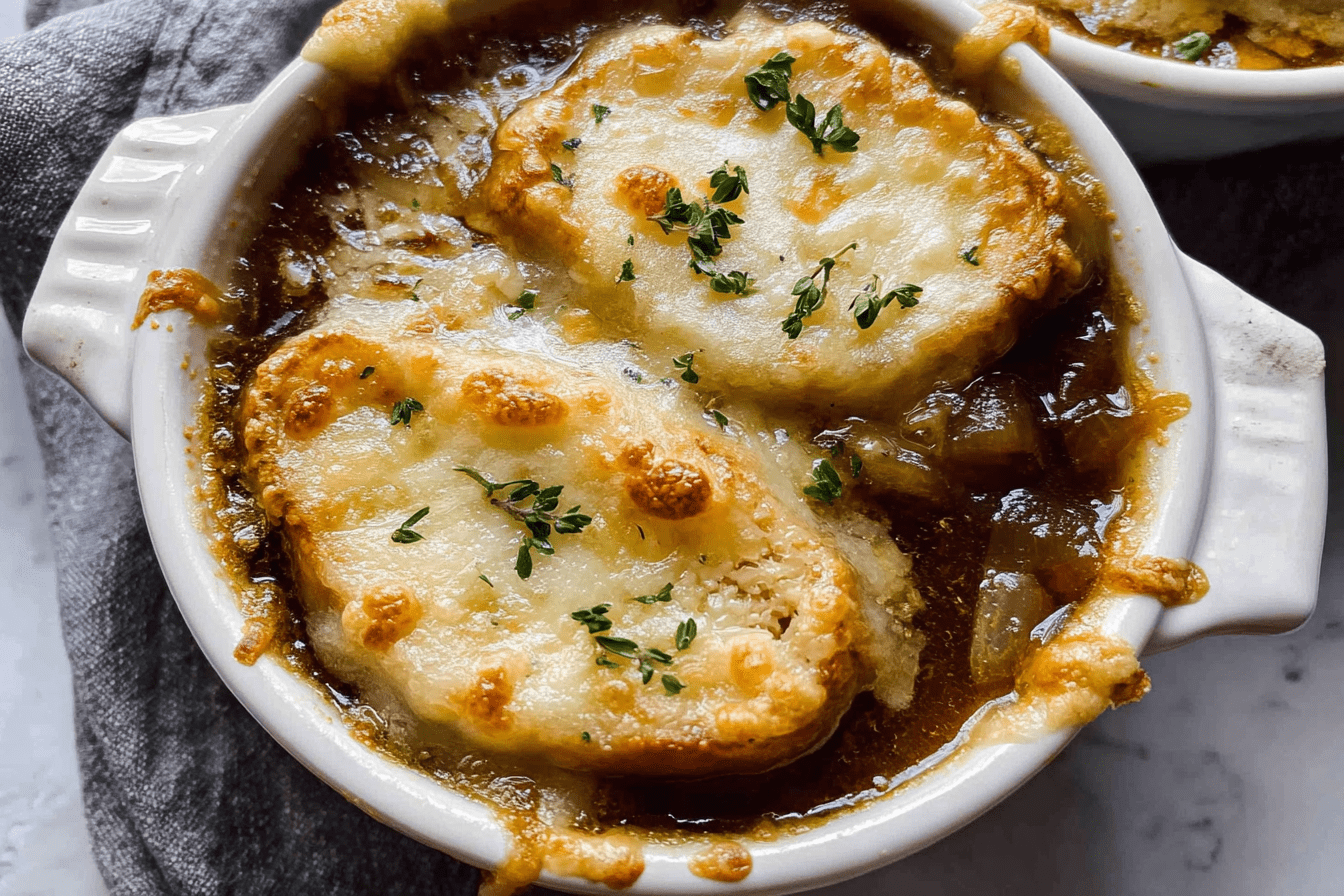
Classic French Onion Soup: Unlock Rich, Cozy Flavor at Home. This bistro-worthy staple, with its deep, savory broth, crusty cheesy topping, and underlying sweetness, has captured the hearts of food lovers worldwide. While every component plays a vital role in creating this masterpiece, the true unsung hero, the ingredient that elevates humble onions into a luxurious experience, is undeniably the caramelized onion. Without their slow-cooked magic, the soup simply wouldn't achieve its signature depth and irresistible charm.
Many perceive French onion soup as an intimidating restaurant-only dish, but its beauty lies in its surprising simplicity and the transformation of a few basic ingredients into something extraordinary. The real "secret ingredient" isn't a rare spice or an obscure technique; it's time and patience, particularly when coaxing the natural sugars from the onions. This article will delve into the art of achieving perfectly caramelized onions and how this fundamental step forms the backbone of the most delectable French onion soup you'll ever taste at home.
The Unsung Hero: Why Caramelized Onions are Non-Negotiable
At first glance, a raw onion is sharp, pungent, and even tear-inducing. Yet, subjected to slow, consistent heat, these seemingly aggressive alliums undergo a spectacular metamorphosis. This transformation, known as caramelization, is not merely about cooking the onions until soft; it's a chemical reaction that coaxes out their inherent sweetness and develops a rich, complex umami flavor that is absolutely essential for an authentic French onion soup.
When onions are gently cooked over a low-to-medium heat for an extended period, two primary processes occur:
* **Caramelization:** The natural sugars within the onions break down and polymerize, creating new compounds that contribute to their sweet flavor and golden-brown hue. This isn't just about browning; it's about developing layers of nuanced sweetness, from honeyed notes to deep, molasses-like undertones.
* **Maillard Reaction:** As the proteins and amino acids in the onions react with sugars at elevated temperatures, they create hundreds of new flavor compounds. This reaction is responsible for the incredibly savory, slightly nutty, and complex notes that distinguish truly caramelized onions from merely sautéed ones.
This dual transformation is why a French onion soup made with quickly sautéed onions will always fall flat compared to one built on a foundation of deeply caramelized ones. The extended cooking time not only softens the onions to a meltingly tender consistency but infuses the entire dish with a profound sweetness and savoriness that perfectly balances the rich beef broth and tangy cheese. It's this concentrated flavor that truly defines the soul of the soup.
Choosing Your Alliums Wisely
While the cooking process is key, starting with the right onion makes a significant difference. For French onion soup, sweet onion varieties are often preferred because their higher sugar content makes them ideal candidates for caramelization.
*
Sweet Onions: Varieties like Vidalia, Walla Walla, or Maui onions are excellent choices. Their mild flavor and natural sweetness complement the savory beef broth without being overpowering.
*
Yellow Onions: These are a superb, readily available alternative. They caramelize beautifully, offering a classic onion flavor that is robust yet sweet once cooked down.
*
Avoid Red Onions: While beautiful, red onions tend to have a more assertive, slightly peppery flavor that can distract from the delicate balance of French onion soup.
Regardless of the type, consistent slicing is paramount. Aim for evenly thin slices (about 1/8 to 1/4 inch thick) to ensure they cook evenly and caramelize uniformly. Inconsistent slices will result in some pieces burning while others remain undercooked.
The Art of "Babysitting": Mastering Onion Caramelization
Caramelizing onions is not a fast process, but it's a deeply rewarding one. Think of it as a meditation rather than a chore. The reference context aptly calls it "babysitting" – a perfect description of the attentive, yet gentle, care required.
1.
Choose Your Vessel: A heavy-bottomed pot or Dutch oven is essential. Its even heat distribution prevents hot spots and burning, allowing for slow, controlled caramelization.
2.
Start with Fat: Begin by melting a combination of unsalted butter and a neutral oil (like olive or canola oil) in the pot. The butter adds rich flavor, while the oil helps prevent the butter from burning at higher temperatures.
3.
Load the Onions: Add your thinly sliced onions to the pot. It might seem like an overwhelming amount, but they will cook down significantly. Stir them to coat evenly with the fat.
4.
The Patience Game (Medium-Low Heat): This is where the magic happens and where the time investment begins. Cook the onions over a consistent medium-low heat. The goal is not to brown them quickly but to slowly draw out their moisture and natural sugars. For the first 15-20 minutes, the onions will mostly sweat and soften.
5.
Consistent Stirring: You can't walk away entirely. Stir the onions every 5-10 minutes, especially once they start to brown. This prevents them from sticking to the bottom of the pot and burning, ensuring an even, golden color across all the slices.
6.
Visual Cues: Initially, the onions will be translucent. Then, they'll turn a light golden color, gradually deepening to a rich amber, almost mahogany hue. They should be incredibly soft, almost jam-like, and profoundly sweet. This entire process typically takes at least 45 minutes to an hour, sometimes even longer, depending on the quantity and heat.
7.
Deglazing (Optional but Recommended): If bits of onion start to stick and brown too aggressively on the bottom of the pan, add a splash of water, beef broth, or even a dry white wine. Scrape the bottom of the pot with a wooden spoon to release these flavorful bits. This helps to deepen the color and prevent burning, incorporating all that delicious fond into your onions.
Once caramelized, these glorious onions can be used immediately or stored in an airtight container in the refrigerator for several days, making them an excellent make-ahead component for your French onion soup.
Beyond the Onions: Building the Perfect French Onion Soup
While caramelized onions are the star, a great
Homemade French Onion Soup: Bistro Quality, Simple Steps requires harmonious supporting roles.
The Broth's Backbone
After the onions, the quality of your beef broth is paramount. It forms the liquid foundation of the soup, so choose wisely.
*
Good-Quality Beef Broth: Store-bought is fine, but opt for a low-sodium, robust beef broth or, ideally, a rich beef stock or homemade bone broth. Homemade stock provides unparalleled depth and body, contributing to that signature "velvety" mouthfeel.
*
Wine for Depth: Many classic recipes call for fortified wines like Port wine or dry sherry. When reduced, these wines add incredible richness, acidity, and a complex depth of flavor that complements the onions perfectly. Reduce the wine by at least half to concentrate its flavors and cook off most of the alcohol.
*
Alcohol-Free Alternative: If you prefer to avoid alcohol, a splash of white wine vinegar, apple cider vinegar, or sherry vinegar added to the beef broth can mimic the acidity and brightness that wine provides, preventing the soup from tasting flat.
*
Simmer Time: Once the broth and wine are combined with the caramelized onions, allow the soup to simmer for at least an hour. This crucial step allows all the flavors to meld and deepen, transforming individual ingredients into a cohesive, warming, and truly comforting experience. Don't forget to season with salt, pepper, and perhaps a bay leaf or sprig of fresh thyme.
The Iconic Topping
No French onion soup is complete without its signature cheesy, crusty topping. This element provides textural contrast and another layer of savory richness.
*
The Bread: A crusty French baguette is traditional and ideal. Its porous nature allows it to absorb the broth without becoming completely soggy, while its crust provides a satisfying chew. Toasting the bread first ensures it maintains some structure. For a fun twist, try rye or pumpernickel. A light rub of a garlic clove on the toasted bread adds a subtle, yet impactful, aromatic lift.
*
The Cheese: Gruyère cheese is undoubtedly the king for French onion soup. Its nutty, earthy, and sweet notes, combined with its superior melting qualities, create a luscious, bubbly, golden-brown crust. If Gruyère is unavailable, good-quality Swiss cheese is a decent substitute, though it won't offer the same depth. Other options for a modern twist could include provolone or fontina.
*
Melting Technique: For that dramatic, restaurant-style presentation, ladle the hot soup into individual broiler-safe crocks or bowls. Top with the garlic toast, then generously pile on the grated Gruyère. Place the bowls under a hot broiler for a few minutes until the cheese is bubbling and golden brown. Watch it carefully to prevent burning! Alternatively, you can simply melt the cheese directly onto the toasted bread in a separate pan or on a baking sheet and float it on top of the soup as a garnish just before serving.
Troubleshooting and Tips for French Onion Soup Success
Even with a comprehensive guide, sometimes things go awry. Here are a few tips to ensure your French onion soup is always a triumph:
*
Onions Not Sweet Enough? They haven't been cooked long enough. Patience is key. If they're browning too fast without softening, your heat is too high.
*
Onions Burning? Again, heat too high, or not enough stirring. Lower the heat immediately and deglaze with a little water or broth to lift any stuck bits. If they're truly burnt and bitter, it's best to start over.
*
Broth Too Thin/Weak? This usually means a low-quality broth was used, or it hasn't simmered long enough for the flavors to meld and reduce slightly. Simmer longer, or consider reducing a portion of the broth separately and adding it back.
*
Cheese Not Melting/Burning? For melting, ensure your broiler is hot and the cheese is evenly distributed. If it's burning, it's too close to the heat source; move the rack down.
*
Make-Ahead Magic: You can caramelize the onions several days in advance. The soup itself (without the bread and cheese topping) also holds beautifully in the refrigerator for 3-4 days and reheats wonderfully. This makes it perfect for entertaining or enjoying throughout the week.
*
Serving: Always serve French onion soup piping hot. Warn guests that the bowls and soup will be very hot!
In conclusion, French onion soup is far more than just a dish; it's an experience. Its humble origins betray a sophisticated depth of flavor that is primarily unlocked by the meticulous art of caramelizing onions. While it demands patience and a little "babysitting," the reward is an incredibly rich, sweet, savory, and utterly comforting bowl of soup that rivals any bistro classic. So, embrace the journey, savor the aromas, and prepare to delight in the secret ingredient that truly makes French onion soup perfect.