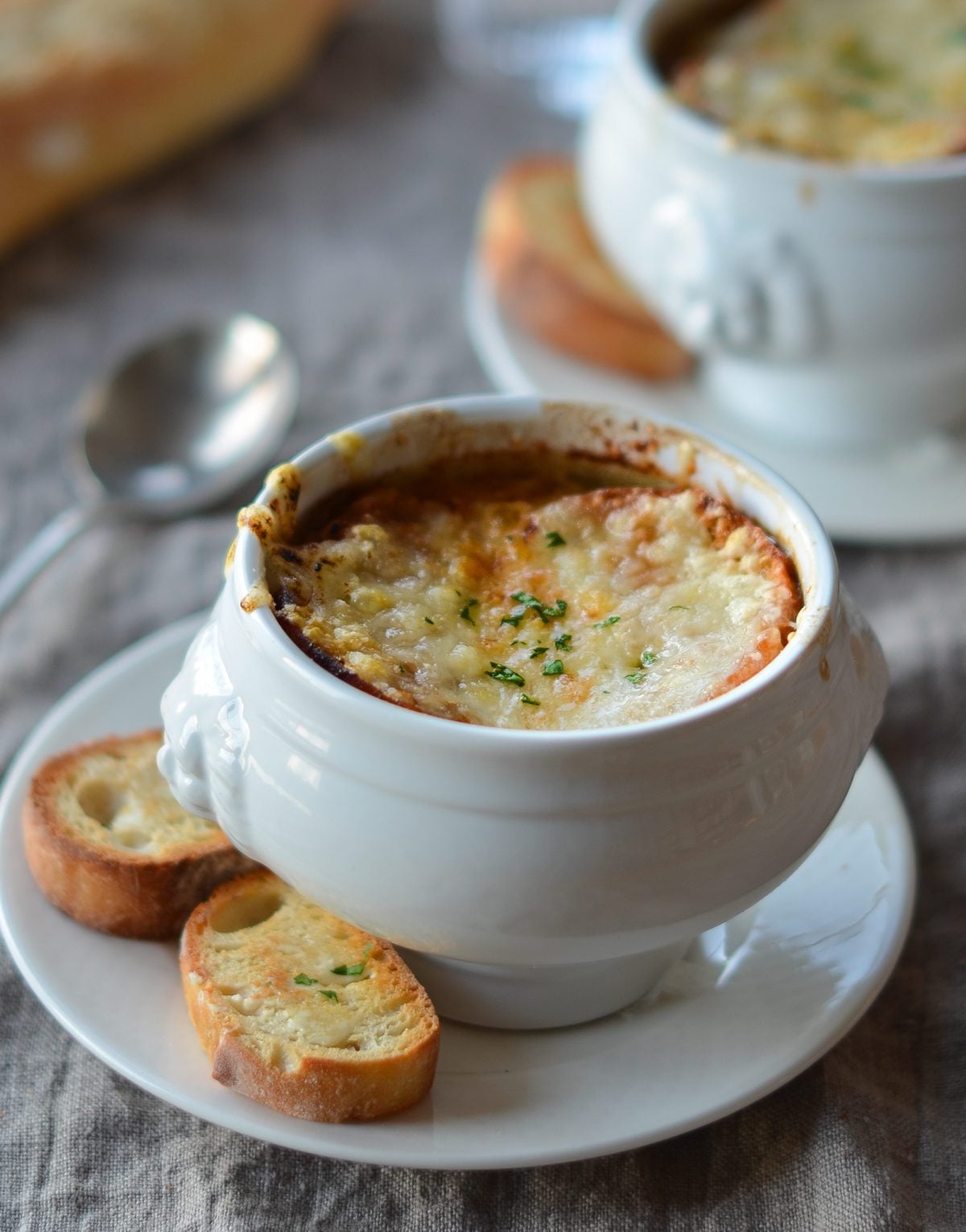
Classic French Onion Soup: Unlock Rich, Cozy Flavor at Home
There are few dishes as universally comforting and deeply satisfying as a classic bowl of French onion soup. More than just a simple soup, it's a culinary hug, a bistro-worthy masterpiece that transforms humble onions into a luxurious, flavor-packed experience. With its rich, savory broth, tender caramelized onions, and that irresistible crown of cheesy, crusty bread, it's a dish that warms the soul and delights the palate, proving that sometimes, the simplest ingredients yield the most profound results.
While often associated with upscale restaurants, the truth is that making a truly outstanding homemade French onion soup is surprisingly achievable in your own kitchen. It might require a touch of patience – time, after all, is the secret ingredient – but the process is straightforward, and the reward is an unparalleled depth of flavor that rivals any restaurant creation. Forget the notion that this classic is too complex; we're here to guide you through unlocking its cozy, rich flavors right at home.
The Heart of the Matter: Mastering Caramelized Onions
The undisputed star of any great French onion soup is the caramelized onion. This isn't just about browning onions; it's an alchemical transformation where the sharp, pungent allium mellows into a sweet, meltingly tender delight. This process is undoubtedly the most time-consuming step, often requiring 45 minutes to an hour on the stovetop, but it's absolutely crucial and non-negotiable for achieving that signature depth of flavor.
Patience is Your Best Friend: Think of caramelizing onions as a slow dance. You need to apply consistent, medium-low heat and stir them regularly, preventing them from burning while allowing their natural sugars to develop and deepen. A heavy-bottomed pot or Dutch oven is ideal, as it distributes heat evenly and minimizes scorching. As the onions release their moisture, they'll soften, then slowly turn golden, then amber, and finally a deep, rich brown. This color signifies intense flavor development through the Maillard reaction – the same process that gives seared steaks their crust.
Tips for Perfect Caramelization:
- Slice Evenly: Uniformly sliced onions (about 1/8 to 1/4 inch thick) ensure they cook at the same rate.
- Don't Overcrowd: Work in batches if necessary, though onions cook down significantly.
- Add a Pinch of Salt: This helps draw out moisture, aiding the caramelization process.
- Deglaze if Sticking: If brown bits start to stick to the bottom of the pan, a splash of water, wine, or even a little broth can help lift them, incorporating those flavorful fond into your onions.
This "babysitting" might feel tedious, but it's where the magic truly happens. Luckily, caramelized onions can be made several days in advance and stored in the refrigerator, making your soup assembly quicker on serving day. For a deep dive into perfecting this essential technique, check out our guide on Caramelized Onions: The Secret to Perfect French Onion Soup.
Building Flavor: Broth, Wine, and Simmering to Perfection
Once your onions are perfectly caramelized, the next step is building the rich liquid foundation of your French onion soup. This stage brings together the savory components that make the soup truly soul-satisfying.
The Backbone: Beef Broth: After the onions, a high-quality beef broth is paramount. It's the "backbone" of the soup, providing body and umami. While homemade beef broth will always yield the most exceptional results, a good-quality store-bought broth or beef stock can also work wonderfully. Look for low-sodium options so you can control the seasoning yourself. For an even richer flavor, consider using beef consommé or fortifying a store-bought broth with a bouillon concentrate.
The Depth-Enhancer: Fortified Wine: A key ingredient for adding complexity and richness is fortified wine, typically dry sherry or port wine. These wines, when reduced, concentrate their flavors and add a subtle sweetness and depth that complements the savory broth and sweet onions. The alcohol cooks off, leaving behind only the exquisite flavor. To use, you'll typically deglaze the pan with the wine, scraping up any remaining flavorful bits stuck to the bottom, then simmer until the wine is reduced by half.
Alcohol-Free Alternatives: If you prefer to skip the alcohol, you can still achieve excellent results. A splash of white wine vinegar, apple cider vinegar, or sherry vinegar added to beef broth can provide that hint of acidity and brightness that wine contributes. The goal is to mimic the depth and slight tang without the alcohol.
The Simmer: Integrating Flavors: After adding the broth and any additional aromatics like fresh thyme or a bay leaf, the soup needs time to simmer. About an hour is usually sufficient to allow all the flavors to meld and deepen. This gentle simmer brings the caramelized onions, rich broth, and subtle wine notes into a harmonious blend, developing that warming, cozy quality we crave in a classic French onion soup.
The Grand Finale: Cheesy Toast and Presentation
No French onion soup is complete without its iconic topping: a crusty piece of bread blanketed in melted, bubbly cheese. This isn't just a garnish; it's an integral part of the experience, offering a delightful textural contrast and an explosion of savory flavor.
Essential Ingredients for an Unforgettable French Onion Soup
- Onions: Sweet onions like Vidalia or Walla Walla are highly recommended for their natural sugar content, which makes caramelization easier and sweeter. Yellow onions are a great substitute if sweet onions aren't available.
- Beef Broth: As discussed, quality is key. Opt for low-sodium and rich flavor.
- Fortified Wine: Dry sherry or port for authentic depth. Ensure it's a variety you'd enjoy drinking.
- Garlic: Often incorporated directly into the soup, but don't forget the traditional step of rubbing toasted baguette slices with raw garlic for a mild, aromatic kick.
- Bread: A crusty French baguette is traditional and holds up well in the soup. Slices should be about 3/4 to 1 inch thick. For a twist, consider rye or pumpernickel.
- Cheese: Gruyere is the gold standard for French onion soup. Its creamy, nutty, and slightly earthy flavor, combined with its excellent melting properties, makes it unparalleled. Swiss cheese is a good substitute, and other options include Emmental, Comté, or even Provolone for a milder taste.
Tips for Success: Elevating Your French Onion Soup Game
- Season as You Go: Salt and pepper should be added at various stages – with the onions, after adding the broth, and a final adjustment before serving. This builds layers of flavor.
- Broiler-Safe Crocks: For that show-stopping, restaurant-style presentation, ladle your finished soup into individual broiler-safe crocks. Top with toasted bread and a generous layer of shredded cheese, then broil until golden and bubbly. Watch carefully to prevent burning!
- Alternative Cheese Melting: If you don't have oven-safe crocks, you can melt the cheese directly onto the toasted bread slices on a baking sheet, then float them on top of the soup in regular bowls. A kitchen torch can also be used for a quick melt.
- Make Ahead: The soup (without the cheesy topping) tastes even better the next day as the flavors continue to meld. It also freezes beautifully for up to three months.
- Serve with a Side: A crisp green salad with a vinaigrette dressing provides a refreshing counterpoint to the richness of the soup.
Creating Homemade French Onion Soup: Bistro Quality, Simple Steps is truly a labor of love, but it’s one that rewards you tenfold with its incredible aroma and unforgettable taste. From the sweet caramelization of the onions to the savory depth of the broth and the irresistible cheesy crust, every element plays a crucial role in making this classic soup a timeless comfort.
So, the next time you're craving a dish that’s both elegant and utterly comforting, don't hesitate to embark on the journey of making your own classic French onion soup. It’s an experience that transforms humble ingredients into a culinary masterpiece, proving that the best flavors are often found in dishes made with patience, care, and a whole lot of love. Gather your ingredients, clear your schedule, and prepare to indulge in a bowl of pure, cozy bliss.
